
Establish Clear Requirements Before Writing Code
Digital product development initiatives run into trouble when they begin without clear, documented parameters. When development teams build based on assumptions, and stakeholders hold unexpressed expectations, the initial product review often reveals major misalignments. A structured requirement intake process does not solve every development hurdle, but it dramatically reduces scope creep and ensures the entire team is aligned on the product’s ultimate goals.
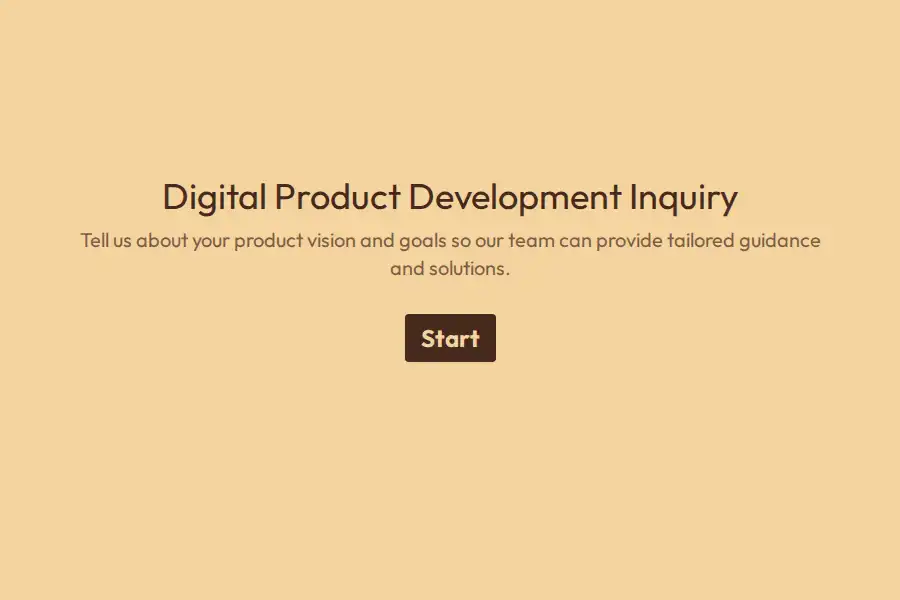
This digital product development template helps agencies, product managers, and development shops standardize their intake process. By walking clients or internal stakeholders through a thoughtful, step-by-step questionnaire, you ensure that vital context—such as the target audience, technical capabilities, timeline, and budgetary constraints—is captured before any scoping or coding begins.
The Value of Standardized Requirements Intake
Starting a software build without structured goals often leads to expensive rework, delayed launches, and strained relationships.
- Guards Against Scope Creep: Requiring stakeholders to document their core priorities upfront establishes a baseline that prevents features from expanding mid-sprint.
- Clarifies Success Criteria: Defining the primary goal and target metrics early helps development teams choose the right architectural solutions.
- Saves Scoping Time: Instead of chasing missing details across multiple emails and alignment meetings, your team starts with a complete overview of the project.
Key Project Requirements Collected in This Template
This template captures a balance of strategic, operational, and technical parameters to build an actionable product brief:
- Business Context: Captures company details, contact information, the core product type, and the primary objective of the build.
- User-Centric Deep Dive: A dedicated section prompts the requester to detail the overall product idea, target audience, and the primary problem the software must solve.
- Technical Priorities and Scope Stage: Identifies the current phase of the project and allows the requester to multi-select the most critical software capabilities required.
- Operational Parameters: Gathers estimated monthly user volumes, target launch timelines, and the allocated budget range.
- Asset Collection: Features a secure file upload tool where requesters can attach project briefs, wireframes, or reference documentation.
- Strategic and General Notes: Collects whether the client needs additional support with strategy or design, alongside open text fields for supplementary context.
Best Practices for Processing Product Submissions
Treat the completed form as the foundation for your discovery phase. Once a submission is received, review the technical requirements and budget range to ensure they align with your development capabilities. Since responses can easily route into project management boards or development tools via integrations, you can immediately assign the ticket to an engineering lead for initial technical scoping. This guarantees that your follow-up discovery calls are focused on architecture and execution rather than gathering basic contact details.
Frequently Asked Questions
What is a digital product development form?
A digital product development form is a standardized intake document used to gather requirements, goals, technical constraints, and budgets for a software or digital product project. It ensures alignment between stakeholders and the development team before scoping begins.
How detailed should a product intake form be?
The form should be comprehensive enough to give a technical lead a clear understanding of the project’s complexity, but not so long that it discourages completion. It should collect high-level business goals, target audience, essential technical features, timeline, and budget parameters.
Can clients upload wireframes or design briefs through this form?
Yes. The template features a secure file upload question, allowing users to submit wireframes, mockups, branding assets, or comprehensive PDF briefs directly alongside their application.
How do I handle incomplete form submissions?
To prevent critical details from being missed, you can set essential fields (such as contact information, budget, and the core problem statement) as required. If a client provides vague answers in open text fields, use those specific prompts as the agenda for your first live discovery meeting.